23 May 2026
Algorithmic Integration Pathways Between Media Reel Variants and Athletic Performance Forecasts
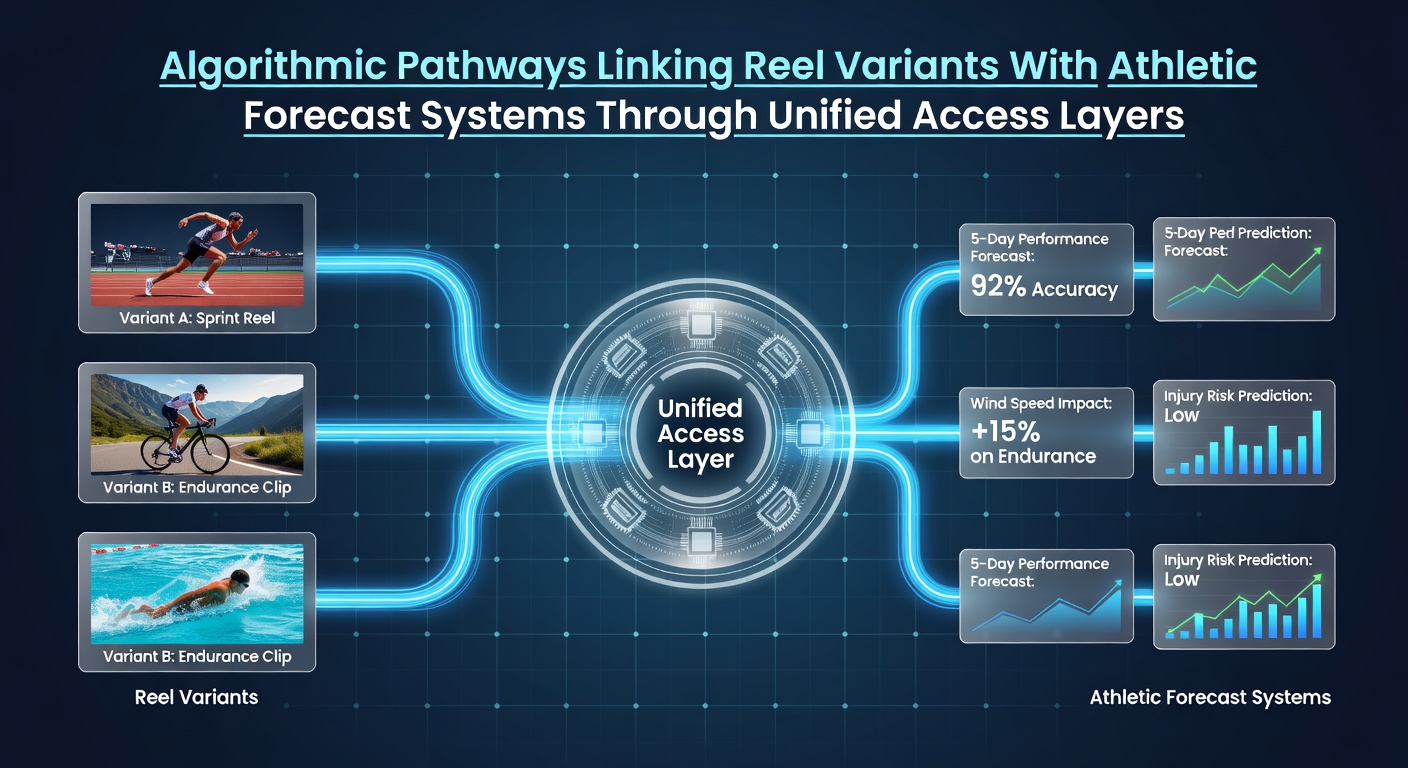
Algorithmic pathways have emerged as essential bridges that connect reel variant processing systems with athletic forecast models through structured unified access layers and data researchers continue to map these connections across multiple industries including media production and sports analytics where data flows between formats require precise coordination to avoid loss of fidelity or timing errors.
Core Elements of Reel Variant Processing
Reel variants represent different iterations of media content that include variations in resolution, frame rate, audio synchronization, and metadata tagging and these elements demand specialized algorithms to maintain consistency when transferred into larger analytical frameworks. Observers note that such variants often originate from archival film sources or modern digital captures and they require conversion protocols that preserve original characteristics while enabling compatibility with external prediction engines.
Data Structures in Athletic Forecasting
Athletic forecast systems rely on layered data inputs that encompass player biometrics, historical performance metrics, environmental conditions, and real-time sensor readings and these systems generate projections for outcomes in various sports disciplines. Studies from institutions such as the University of Sydney have examined how forecast accuracy improves when integrated with external data streams that supply contextual media elements including training footage and event replays.
Unified access layers function as middleware that standardizes queries and responses across disparate databases allowing reel variant metadata to feed directly into forecast algorithms without requiring custom adapters for each new source. This architecture supports batch processing alongside streaming updates which proves critical during live athletic events where timing influences the relevance of incoming media data.
Pathway Mechanisms and Technical Implementation
Pathway mechanisms operate through sequential stages that begin with data ingestion from reel archives followed by feature extraction that identifies motion patterns or visual cues relevant to athletic analysis and then proceed to fusion points where these features merge with quantitative forecast variables. Engineers design these stages to handle variable data volumes and they incorporate error-checking routines that flag inconsistencies before they propagate through the system.

According to documentation from the National Institute of Standards and Technology, standardized protocols for data layering reduce integration latency by measurable percentages across tested environments and these protocols emphasize modular components that permit updates without full system restarts. Implementation teams often deploy containerized services that isolate each pathway segment which facilitates troubleshooting when reel variant formats evolve due to new camera technologies or encoding standards.
Integration Challenges Across Platforms
Challenges arise when reel variants contain proprietary encoding that conflicts with the input requirements of athletic forecast engines and resolution mismatches can distort motion tracking algorithms used to predict athlete trajectories. Solutions involve preprocessing pipelines that normalize content at the access layer before it reaches downstream models and these pipelines rely on machine learning classifiers trained on diverse media samples to detect and correct anomalies automatically.
Further complications occur during peak data loads such as major sporting tournaments where simultaneous requests for reel analysis and forecast refreshes strain unified access resources. Resource allocation strategies that prioritize critical forecast updates while queuing secondary reel queries help maintain system stability and performance benchmarks reported in industry technical papers indicate measurable improvements in throughput after such strategies are applied.
Developments Anticipated in May 2026
Scheduled enhancements for May 2026 include expanded support for high-dynamic-range reel variants within existing forecast frameworks along with refined access layer encryption that aligns with emerging international data security guidelines. Research groups across North America and Europe plan collaborative testing phases that will evaluate pathway efficiency under simulated high-volume conditions drawn from previous athletic seasons and media archives.
One initiative led by Canadian academic consortia focuses on cross-domain feature mapping that allows visual elements extracted from reel variants to enhance biomechanical predictions in track and field events. Parallel efforts in Australian research centers examine audio synchronization techniques that tie crowd noise patterns from event reels to real-time performance variance models used by coaching staff.
Conclusion
Algorithmic pathways that link reel variants with athletic forecast systems through unified access layers continue to evolve as technical standards mature and cross-industry collaborations expand. Data from regulatory bodies and academic sources demonstrate that structured integration yields consistent gains in processing efficiency while preserving the integrity of original media and performance datasets. Continued refinement of these pathways promises broader applicability across media preservation projects and sports science applications where timely accurate information exchange remains essential.