4 Jun 2026
Authentication Layers Fueling Quick Promo Access in Mobile Betting Ecosystems
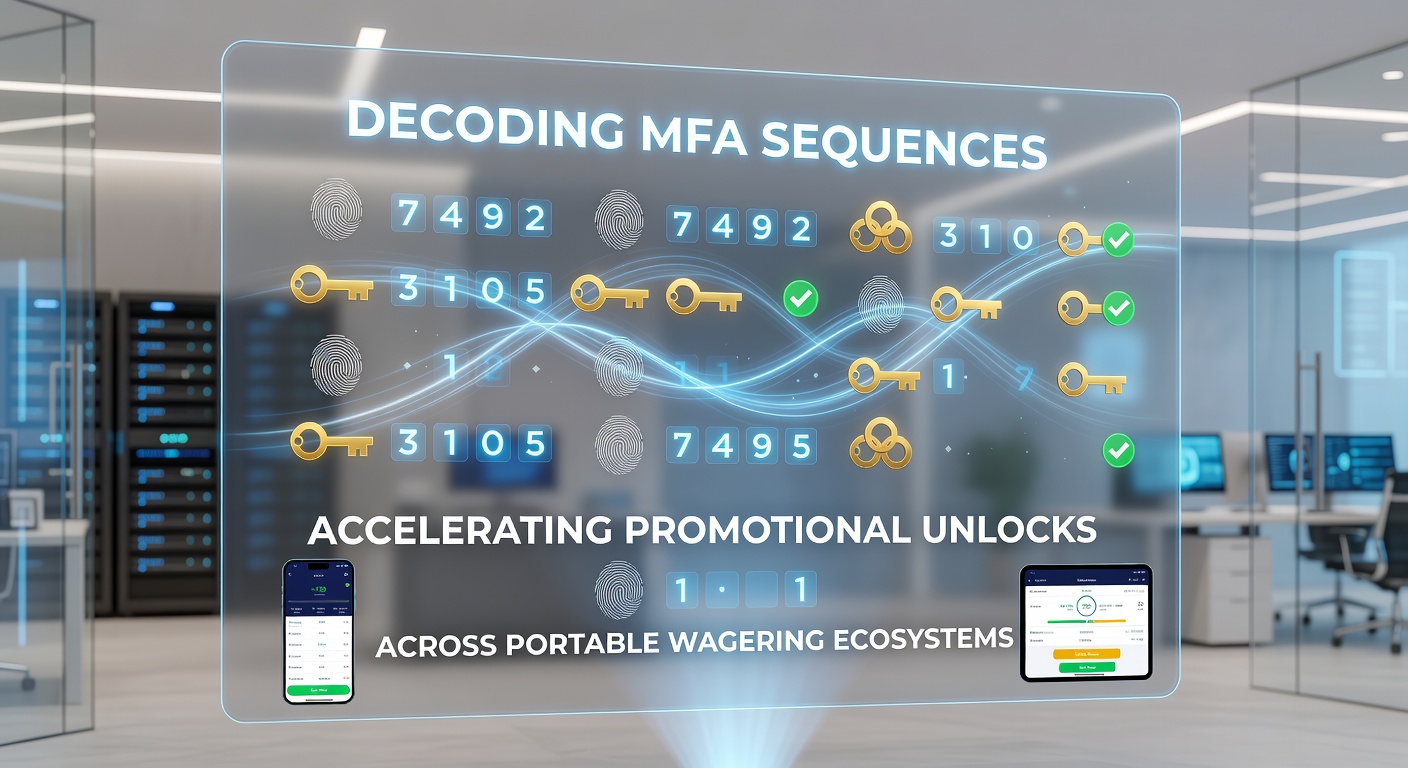
Portable wagering ecosystems rely on multi-factor authentication sequences to verify user identities while enabling rapid access to promotional features, and these processes combine something the user knows with something they have or are to create layered security checks that platforms integrate directly into bonus activation flows. Operators design these sequences so that after initial login credentials are entered, a secondary factor such as a time-based one-time password or biometric scan triggers immediate evaluation against stored user profiles, allowing eligible promotions to unlock without additional manual steps once verification succeeds.
Core Components of MFA in Wagering Applications
Basic sequences start with a password or PIN, then proceed to a second factor that often includes device-bound authenticators or push notifications sent through the mobile app itself, and this setup reduces the window for unauthorized access while data from regulatory bodies like the National Institute of Standards and Technology shows consistent improvements in account security metrics when multiple factors are enforced. Third factors such as facial recognition or fingerprint matching add another verification layer that many platforms tie directly to promotional eligibility checks, meaning users who complete the full sequence gain instant visibility into unlocked rewards like deposit matches or free spins.
Developers optimize these flows for mobile environments by embedding authentication APIs that communicate with backend systems in real time, so a completed sequence not only confirms identity but also queries the rewards database and activates any pending offers automatically. Research from industry reports indicates that streamlined MFA reduces average session times for bonus claims by integrating verification into the same interface where promotions appear, eliminating the need for separate navigation after login.
Integration With Promotional Systems
Promotional unlocks accelerate when authentication sequences feed directly into reward engines, allowing platforms to match verified user data against campaign rules within seconds of sequence completion, and this direct linkage means eligible players receive notifications or instant credit without further input. In practice, a user logging in from a recognized device completes the MFA steps, the system validates location and account status, and qualifying promotions activate while the session continues uninterrupted.
Portable ecosystems benefit particularly because mobile apps maintain persistent device tokens that shorten subsequent sequences after the first successful multi-factor check, enabling repeat access to time-sensitive offers during live events or tournaments. Observers note that such token-based shortcuts maintain security standards while supporting higher transaction volumes during peak periods, as documented in studies of digital payment and verification patterns across gaming networks.

Regional Developments and Standards Evolution
Across different jurisdictions, regulatory frameworks continue to shape how MFA sequences operate within wagering platforms, with authorities in regions such as Australia and Canada publishing updated guidelines that emphasize both security and user convenience in mobile environments. By June 2026, several operators are expected to align with emerging interoperability standards that allow cross-platform recognition of verified authentication states, reducing friction for users moving between apps while preserving each platform's control over promotional logic.
These standards draw from broader cybersecurity research, including work by academic institutions that examines how authentication timing affects user retention in high-velocity digital services. Data collected from various markets reveals that platforms incorporating adaptive MFA, which adjusts factor requirements based on risk signals, achieve higher rates of successful promotional redemptions because legitimate users encounter fewer interruptions.
Technical Implementation Patterns
Implementation typically involves secure key exchanges between the mobile client and server infrastructure, where each factor contributes a unique cryptographic element that the backend validates before granting promotional access, and this modular approach lets operators update individual factors without disrupting the entire sequence. Case examples from major providers show that combining hardware security modules with software authenticators creates resilient pathways that support both high-security requirements and fast reward delivery.
Users often encounter these sequences during account setup or when accessing new promotional tiers, with clear indicators guiding them through each step so that completion leads directly to visible changes in available offers. Industry associations tracking mobile gaming trends report that such integrated verification supports compliance obligations while enabling features like personalized bonus recommendations based on verified activity histories.
Conclusion
Multi-factor authentication sequences serve as foundational elements that balance security demands with operational efficiency in portable wagering ecosystems, allowing promotional unlocks to occur seamlessly once verification criteria are met. Continued refinement of these processes, guided by evolving technical standards and regional requirements, supports sustained growth in mobile engagement across global markets.