16 May 2026
Digital Wallet Integration Fuels Customized Loyalty Across Live Tables and Mobile Sports
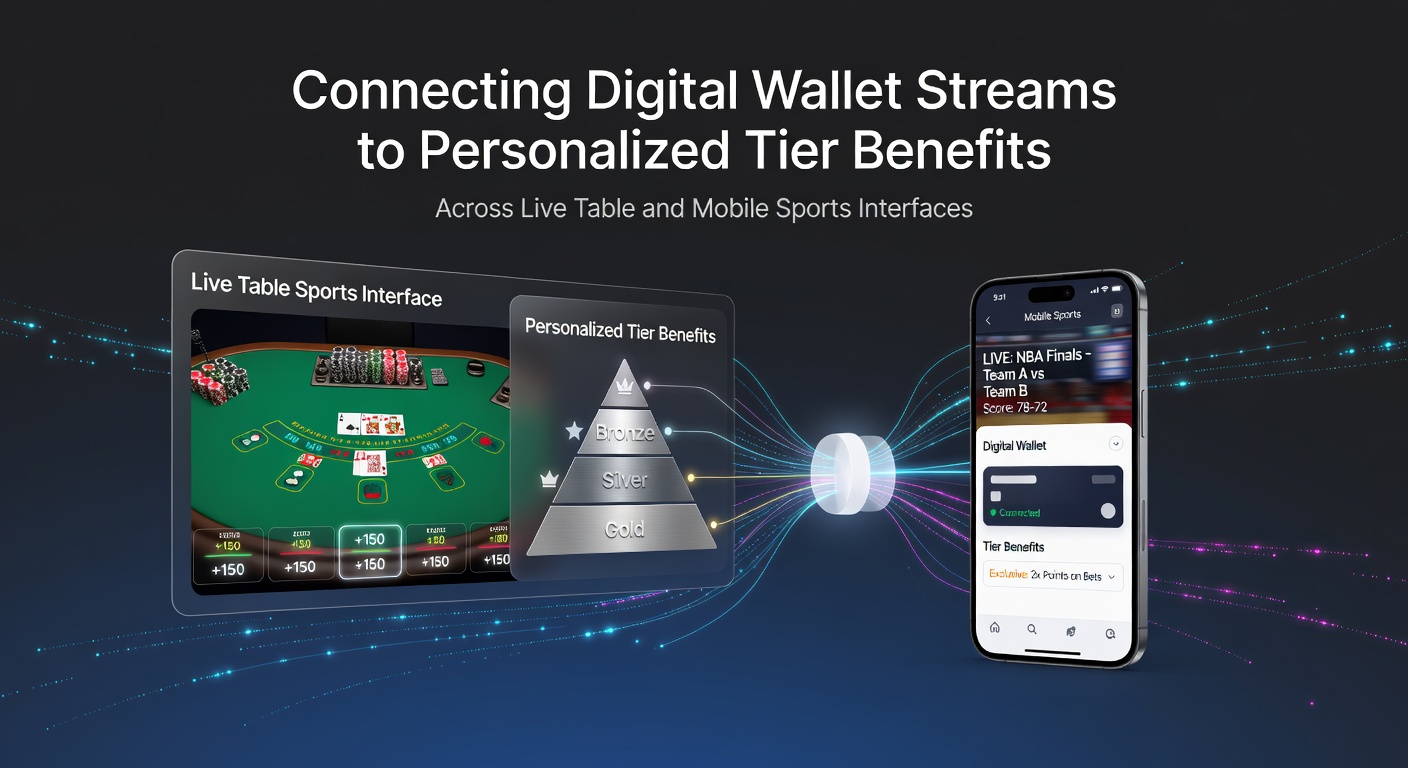 Digital wallet streams now connect directly to personalized tier systems that reward players based on activity levels across live dealer tables and mobile sports interfaces. Platforms track deposits, wagers, and session times in real time, then route those data points into tier calculations that unlock escalating benefits. Observers note this setup eliminates manual claims and delivers rewards automatically once thresholds are met. Payment providers supply the infrastructure that feeds transaction histories into backend loyalty engines. When a player deposits through a digital wallet, the system records the amount and frequency, then matches it against tier criteria without requiring separate verification steps. Research indicates that such seamless data flow reduces processing delays from hours to seconds in many implementations. Live table environments benefit because the same wallet connection carries over to in-game actions. A blackjack participant who tops up via wallet sees instant balance updates, while the platform logs the play toward tier progression. Those who've studied these systems report that integration points between wallet APIs and table management software allow for simultaneous tracking of cashouts and bet volumes. Mobile sports interfaces extend the same model to event-based wagering. Users place bets on football or basketball matches through apps that pull from wallet balances, and each wager contributes data points toward personalized tiers. Data shows that sports bettors often reach mid-tier status faster during high-volume seasons because of the volume of smaller, frequent transactions.
Mechanics Behind Tier Personalization
Tier structures rely on algorithms that weigh multiple variables from wallet activity. Deposit totals, average bet sizes, and retention streaks combine to determine eligibility for benefits like cashback percentages, priority support queues, and exclusive event access. Experts have observed that weighting formulas adjust seasonally to reflect peak activity periods, such as major tournaments or league starts. Personalized elements emerge when platforms segment users by preference data gathered through wallet-linked sessions. A player who favors live roulette receives tailored bonus offers tied to table limits, whereas a mobile sports user sees promotions aligned with upcoming fixtures. According to industry reports from the European Gaming and Betting Association, segmentation accuracy improves when wallet streams provide granular timestamps on each transaction. Platforms apply these tiers without interrupting gameplay. A user at a live poker table receives a notification of tier advancement during a break, and the new benefits activate immediately for the next hand. Mobile sports apps push similar updates between matches, allowing seamless redemption of rewards like boosted odds on selected events.Trends Emerging in May 2026
In May 2026 several operators expanded wallet-to-tier linkages following updates to cross-platform data standards. These changes enabled real-time syncing between desktop live tables and mobile sports apps, so activity on one interface counted toward benefits on the other. Figures from the American Gaming Association reveal a 17 percent increase in tiered reward redemptions during that period compared with the prior year. One study revealed that players who maintained consistent wallet activity across both environments advanced through tiers 25 percent quicker than those using fragmented payment methods. Researchers discovered the acceleration stemmed from unified tracking rather than separate loyalty ledgers for casino and sports products.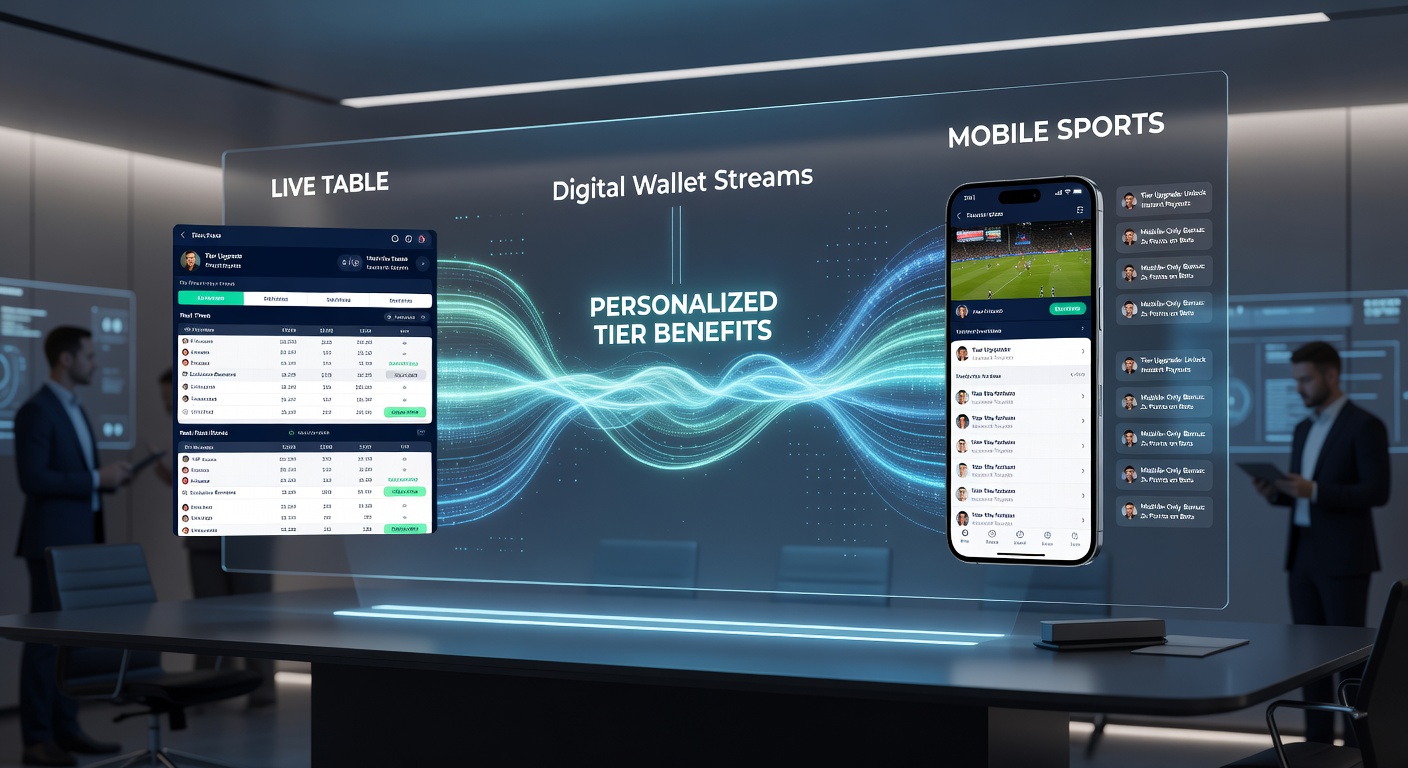 Security protocols accompany the expanded connectivity. Multi-factor authentication tied to wallet accounts prevents unauthorized tier manipulation, while encrypted data channels protect transaction histories. Observers note that regulatory bodies in multiple jurisdictions now require audit logs of these streams to verify fair distribution of benefits.