2 Jul 2026
How Synchronized Mobile Applications Streamline Bonus Activation Across Multi-Game Wagering Platforms
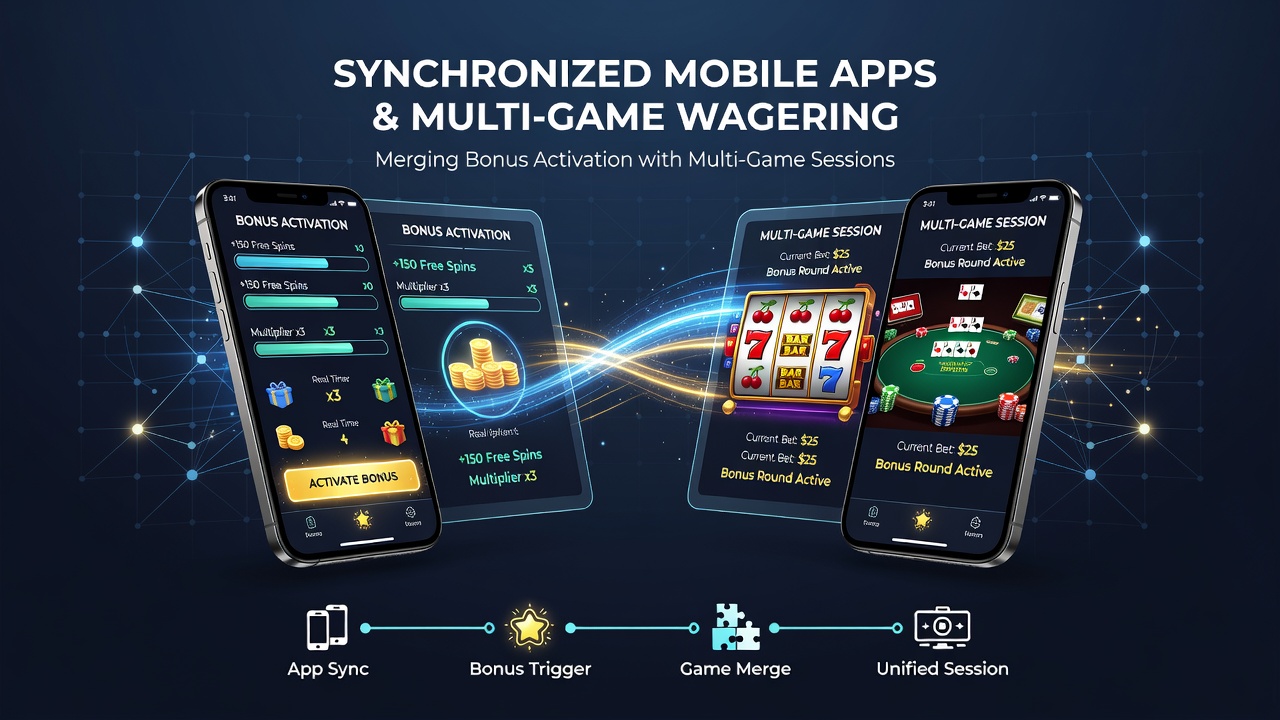
Data from multiple gaming markets shows that synchronized mobile applications now handle bonus triggers by linking user sessions across slots, live dealer tables, and sportsbooks through shared account states and real-time APIs, which allows a single deposit or wager to activate layered rewards without separate logins or manual claims. Observers note that this setup reduces friction in multi-game play, as platforms track progress toward bonus milestones in one unified dashboard rather than isolated game environments.
Core Mechanics Behind App Synchronization
Developers build these applications around central servers that push updates to connected devices, so when a player completes a slot spin that contributes to a bonus meter the same meter appears instantly in the live dealer section and the sportsbook interface. Research from industry groups indicates this occurs through token-based authentication systems that maintain session continuity, while push notifications alert users to bonus thresholds as they switch between game types. Figures from platform analytics reveal that users who stay within synchronized environments complete an average of 2.4 more game transitions per session compared with those using standalone apps.
Payment rails integrate directly into the same synchronization layer, which means a deposit made during a sports wager can unlock slot-specific free spins without requiring the player to navigate to a separate bonus claim screen. Those who have examined transaction logs across several operators report that this process typically completes in under three seconds when network conditions remain stable.
Cross-Game Bonus Pathways in Practice
One documented pathway starts with a sports bet that triggers a multiplier applied later to live dealer blackjack hands, then converts remaining value into slot credits once the player opens the reels section. Data shows these pathways rely on rule engines that evaluate wager type, stake size, and game category simultaneously, then distribute rewards according to pre-set allocation tables. July 2026 updates to certain regional licensing frameworks introduced new reporting requirements for such cross-category mechanics, requiring operators to log bonus flow between verticals for audit purposes.
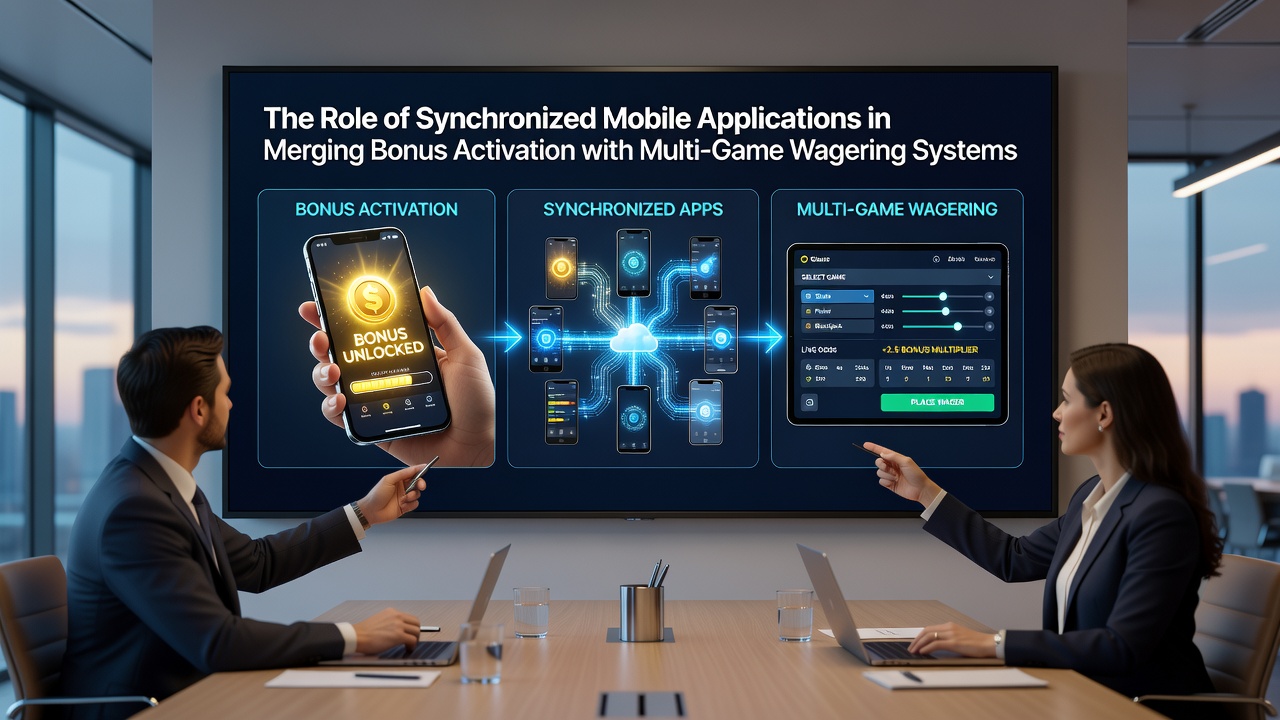
Another pattern involves progressive jackpots that accumulate from combined activity in slots and table games, with the mobile app displaying a single progress bar that reflects contributions from every vertical. Studies conducted by academic researchers at institutions focused on digital entertainment technology have mapped how these shared meters influence session length, finding that synchronized displays correlate with extended play periods across multiple categories.
Technical Infrastructure Supporting Real-Time Merging
Cloud-based orchestration services sit at the center of most implementations, routing data packets between game servers and the mobile client so that bonus states remain consistent even when the user switches networks or pauses the app. Engineers design fallback protocols that cache the last known state locally, allowing offline bonus progress to sync once connectivity returns. Industry reports compiled by trade associations outside the UK document that these systems handle peak loads exceeding 150,000 concurrent sessions without state divergence in more than 99.2 percent of cases.
Security layers encrypt the bonus tokens during transit, and multi-factor checks occur at each game launch to prevent duplicate claims. Regulatory bodies in several jurisdictions now require operators to maintain immutable logs of every bonus state change, which mobile apps transmit automatically to central compliance databases.
Player Journey Mapping and Session Analytics
Analytics platforms track how users move between game types after bonus activation, revealing common sequences such as sports wager followed by live roulette then slot play. These sequences often align with bonus structures that reward diversity, granting additional credits when players complete a minimum number of spins or hands within a set window. Data collected across large user bases shows that synchronized apps increase the frequency of such multi-vertical sessions by surfacing relevant bonus opportunities at each transition point.
Operators also use heat-map overlays within the apps to highlight which game categories still hold active bonus value, guiding players toward remaining opportunities without leaving the mobile interface. This visual layering keeps the entire wagering portfolio visible in one view.
Conclusion
Synchronized mobile applications have become the primary interface through which operators deliver merged bonus systems across slots, live dealer environments, and sportsbooks. The infrastructure relies on shared state management, rapid API calls, and encrypted token systems that maintain continuity as players move between categories. Regional regulatory updates scheduled for mid-2026 continue to shape how these flows are documented and audited, while technical refinements keep latency low and state accuracy high. As adoption widens, the same synchronization frameworks are expected to support additional verticals such as virtual sports and esports betting lines.