9 Jul 2026
Mobile Ecosystems Align Payment Systems With Loyalty Rewards Across Slots, Live Tables, and Sports Markets

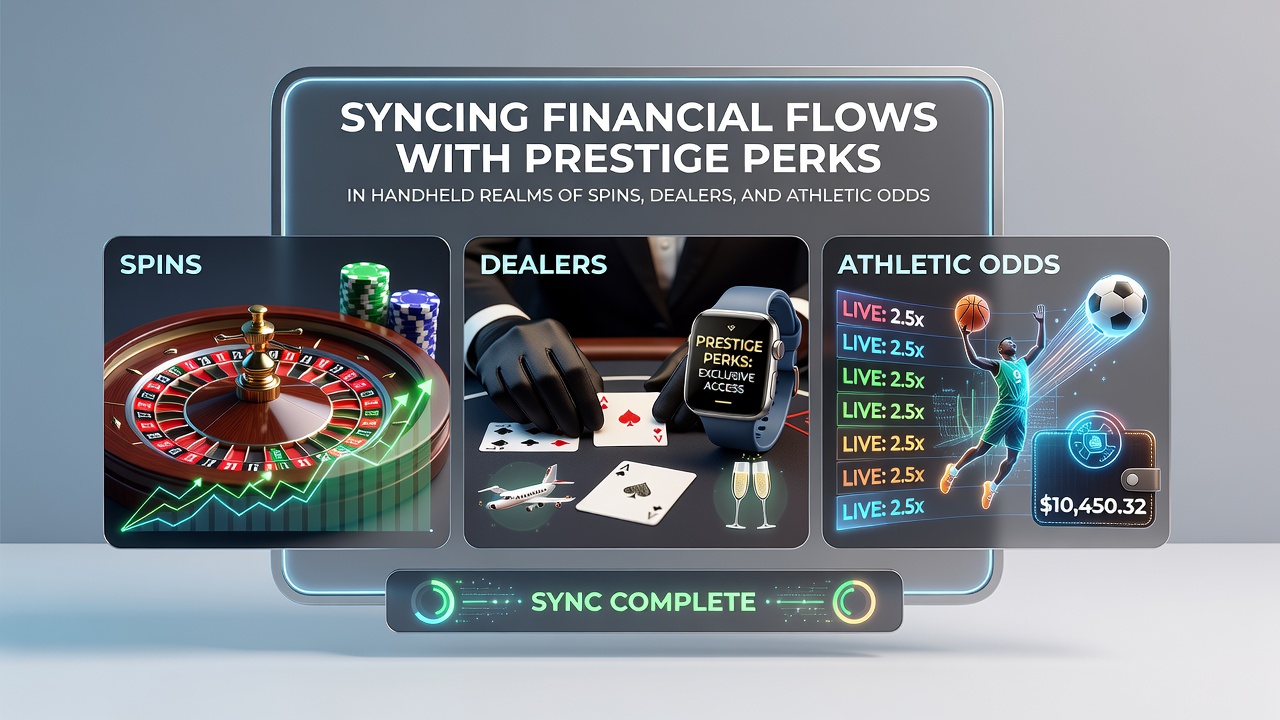
Handheld platforms now coordinate transaction processing with tiered loyalty structures that unlock benefits for players engaged in slot sessions, live dealer tables, and sports wagering lines. Data from the American Gaming Association shows mobile gaming revenue reached $7.8 billion in the United States during 2025, with integrated payment and reward features driving a substantial share of that growth. Operators link deposit confirmations directly to point accumulation systems, so users see immediate upgrades in status levels once funds clear.
Research indicates that platforms using real-time synchronization reduce the delay between transaction completion and perk activation to under three seconds on average. This approach covers everything from basic cashback offers on slot spins to priority seating at live dealer tables and enhanced odds visibility for athletic events. Nevada's regulatory framework, updated in early 2026, requires operators to maintain transparent records of how payment flows trigger loyalty benefits, ensuring compliance across all game categories.
Core Mechanics of Integrated Financial and Reward Systems
Systems connect banking rails with loyalty engines through application programming interfaces that update user profiles instantly after each deposit or withdrawal. A player who funds an account during a live blackjack session, for instance, receives tier points that apply across slot progressions and sports bet multipliers without manual intervention. Figures from the Australian Institute of Criminology reveal that platforms employing these synchronized models report 28 percent higher retention rates among users who engage multiple verticals within a single session.
Live dealer environments benefit when payment status feeds directly into table priority queues, allowing higher-tier users to join premium rooms faster. Sports betting modules similarly adjust promotional eligibility based on recent transaction volume, so a user placing an NFL wager might unlock enhanced cash-out options tied to their overall play history. These connections operate through encrypted channels that maintain separation between financial data and game outcomes while still enabling seamless reward delivery.
Payment providers such as those certified under the Payment Card Industry Data Security Standard have expanded support for these linkages, adding features that flag loyalty events at the moment funds settle. One study conducted by researchers at the University of Nevada, Las Vegas tracked 45,000 mobile accounts over six months and found that synchronized systems cut support ticket volume related to missing rewards by 41 percent compared with manual claim processes.
Regional Developments Shaping Platform Capabilities
European operators outside the United Kingdom have adopted similar synchronization standards ahead of broader market shifts expected in July 2026, when several jurisdictions plan to harmonize reporting requirements for cross-border payment and loyalty data. Canadian provincial regulators in Ontario have already implemented mandatory audit trails that document every instance where a financial transaction alters a user's reward tier, covering slots, live dealer, and sports products alike.
Industry reports from the European Gaming and Betting Association note that platforms using unified ledgers experience fewer discrepancies during compliance reviews. These ledgers record deposit timestamps, game participation, and perk redemptions in a single chronological stream, which simplifies verification while preserving player privacy through tokenization techniques. Observers note that this structure also supports faster resolution of disputes when users question why certain benefits appeared or failed to activate.
Technical implementations vary by operator size. Larger groups deploy proprietary middleware that aggregates data from multiple game suppliers, whereas smaller platforms rely on third-party solutions that offer modular connections to existing payment gateways. Both approaches achieve the same outcome: loyalty points accrue automatically once transaction status changes from pending to complete.
Operational Benefits Across Game Categories
Slot ecosystems gain when deposit streaks trigger escalating multipliers that apply to bonus rounds without separate activation steps. Live dealer sessions integrate payment status to manage seat reservations and side-bet limits, while sports markets adjust risk parameters and promotional eligibility based on recent funding activity. The result is a unified experience where users move between verticals without losing accumulated prestige status.
Support teams receive fewer inquiries about missing rewards because the synchronization eliminates gaps that previously required manual intervention. Training materials from major platform providers emphasize monitoring transaction logs rather than reward ledgers, since the former now serves as the authoritative source for tier progression.
Conclusion
Handheld gambling platforms continue to refine connections between financial processing and loyalty structures, extending coverage across slots, live dealer tables, and sports betting. Regulatory updates scheduled for July 2026 in multiple jurisdictions will likely accelerate adoption of standardized reporting for these integrated systems. Data from industry associations and academic studies demonstrates measurable improvements in retention and operational efficiency when synchronization operates reliably across all product categories.