28 May 2026
Payment Pathways Enhancing Tiered Rewards in Portable Wagering Networks
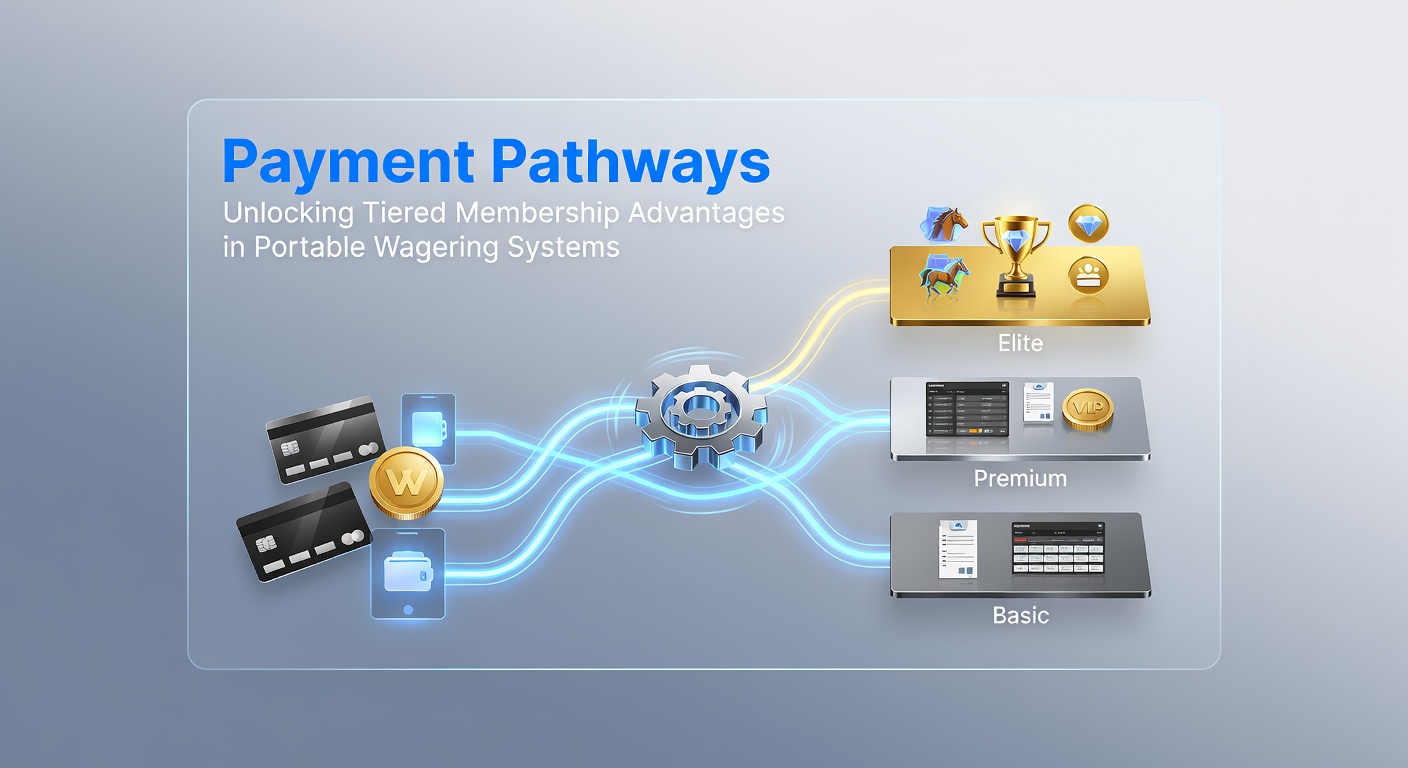
Payment pathways in portable wagering systems connect users to layered membership structures through efficient transaction processing, and these routes have gained traction as mobile platforms expand their reach. Data from industry reports shows that integrated payment solutions allow operators to verify activity levels in real time, which in turn determines access to higher tiers offering customized incentives.
Core Mechanics of Transaction Routes
Portable systems rely on digital wallets, bank transfers, and card networks to move funds quickly between accounts and platforms, while each successful transaction logs data that feeds into membership algorithms. Researchers at academic institutions have documented how these logs track deposit frequency alongside wager volumes, creating profiles that assign users to specific tiers without manual intervention. Systems process payments in seconds rather than hours, which keeps engagement continuous and supports the accumulation of points needed for upgrades.
Operators integrate APIs from third-party processors to handle multiple currencies and regions simultaneously, and this setup reduces friction for international users who move between devices throughout the day. Figures from payment service analyses indicate that platforms using unified gateways see higher retention rates because delays in fund movement drop significantly compared to older methods.
Tier Assignment Through Verified Activity
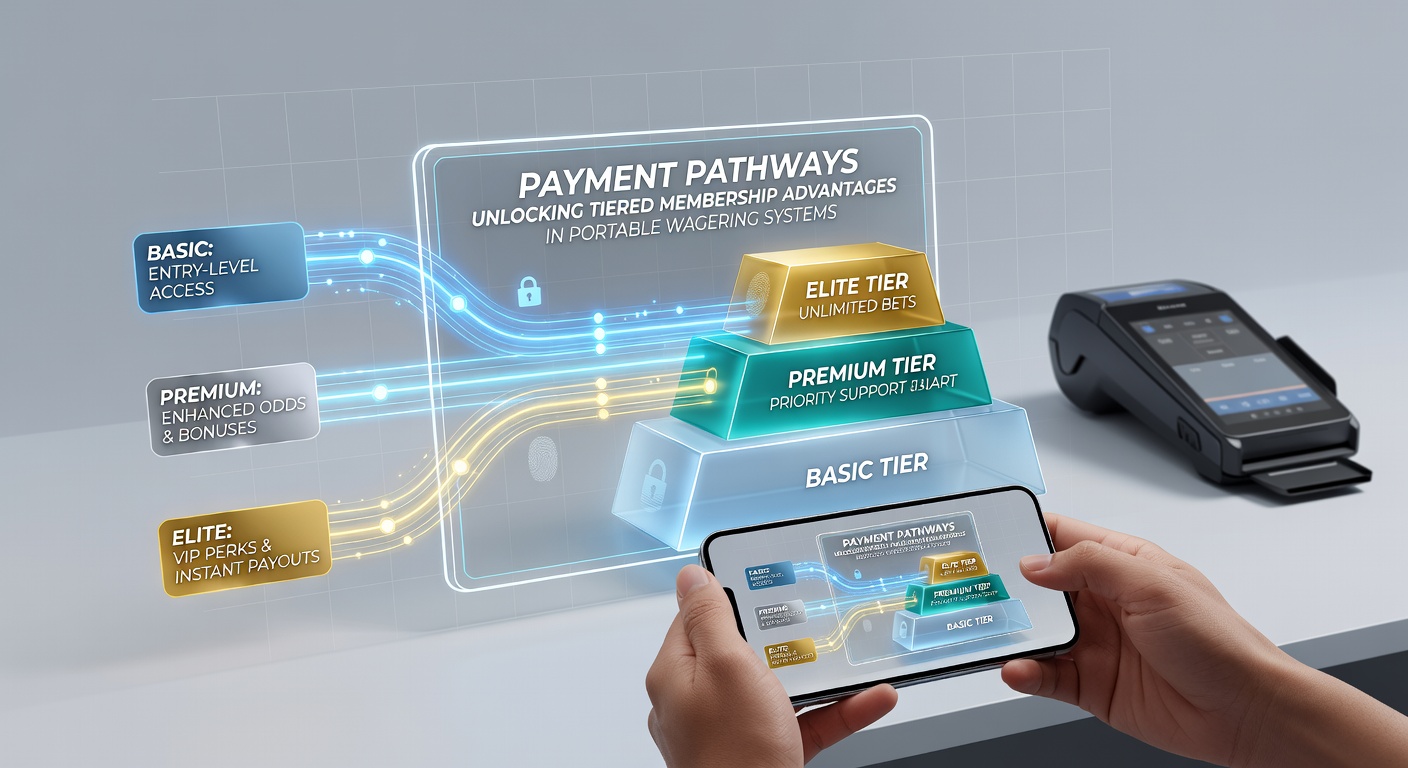
Membership levels typically progress from entry points to premium categories based on cumulative spend and transaction consistency, with payment records serving as the primary verification source. A user who routes regular deposits through approved channels accumulates metrics faster, unlocking benefits such as accelerated withdrawal limits and exclusive event access. Studies from research firms reveal that these automated pathways cut administrative overhead by up to 40 percent in large-scale operations.
Portable applications often embed loyalty dashboards directly into payment screens so users view their current standing and projected advancement during each transaction. This visibility encourages sustained use because participants can adjust deposit patterns to meet thresholds for the next tier. Government agencies in several jurisdictions, including those overseeing digital commerce in Australia, have noted that transparent payment tracking improves compliance with responsible gambling measures by flagging unusual patterns early.
Regional Developments and Data Trends
Markets in North America and parts of Europe continue to refine mobile payment standards for wagering, and reports released in May 2026 from Canadian regulatory bodies highlighted increased adoption of instant settlement options among tiered programs. These updates align with broader shifts toward contactless methods that maintain security while speeding up the feedback loop between activity and reward delivery. Industry associations track how such integrations affect player distribution across tiers, showing steady growth in mid-level memberships where payment efficiency plays a central role.
One study from a European research center examined transaction volumes across handheld devices and found that platforms offering tiered advantages through streamlined routes experienced fewer abandoned sessions. The data pointed to seamless wallet linkages as a key factor because they allow users to maintain momentum without switching applications mid-session.
Security Protocols Supporting Membership Integrity
Secure payment pathways incorporate encryption and multi-factor authentication to protect the data that determines tier status, preventing unauthorized alterations to activity records. Observers in the field note that these measures also support audit trails required by oversight organizations, which helps maintain trust across user bases. Providers who layer biometric checks onto transaction confirmations report fewer disputes over reward eligibility.
Portable systems often partner with established financial networks to ensure compliance with varying international standards, and this collaboration allows operators to expand tier offerings without compromising verification accuracy. Trade group publications emphasize that consistent security across payment channels correlates with higher participation in loyalty programs overall.
Future Integration Patterns
Emerging technologies such as tokenization continue to reshape how payments feed into membership frameworks on mobile devices, enabling faster updates to tier benefits based on real-time activity. Analysts project further consolidation of payment and loyalty systems by the end of the decade, driven by demand for unified experiences that span multiple wagering formats. Data released through academic channels shows early adopters gaining measurable edges in user retention metrics when these pathways operate without interruption.
Conclusion
Payment pathways serve as foundational elements that connect daily transactions to progressive membership advantages in portable wagering environments, and ongoing refinements in processing speed adn security continue to shape how tiers evolve. Reports from diverse regulatory and research sources confirm that efficient routes support both operational scale and user progression without requiring separate tracking mechanisms. As mobile platforms expand, these integrated systems provide the backbone for sustained engagement across different market conditions.