20 Jul 2026
Unlocking Higher Status Through Varied Transaction Routes in On-the-Go Betting Experiences
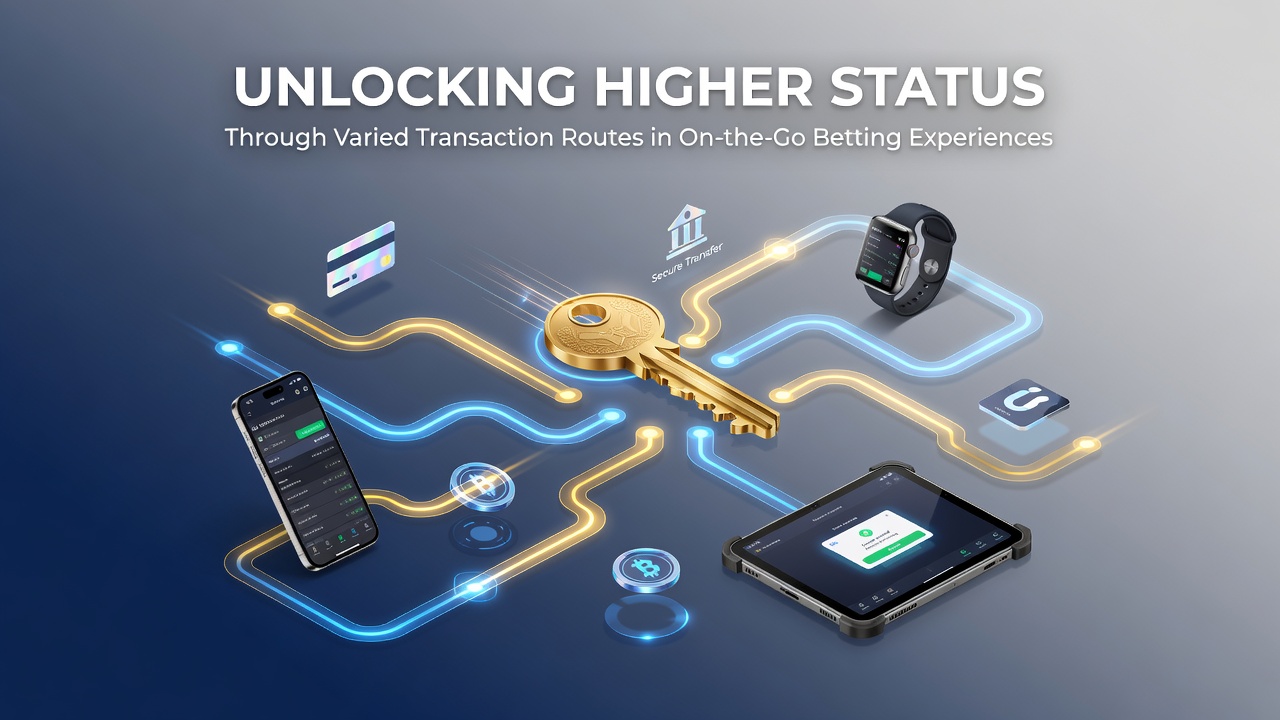
Platforms that support diverse transaction methods give users access to accelerated loyalty progression while they place wagers from any location. Research from industry analysts indicates that mobile-first operators now process over 70 percent of all betting volume through smartphones and tablets, and payment flexibility plays a central role in tier advancement systems. Operators integrate bank transfers, e-wallets, prepaid cards, and digital currencies because each route carries distinct processing speeds, fee structures, and verification requirements that feed directly into reward algorithms.
How Payment Diversity Connects to Loyalty Algorithms
Operators track transaction volume, frequency, and method type when they calculate VIP points. Data compiled by the American Gaming Association shows that accounts using multiple payment rails accumulate points at rates 25 to 40 percent higher than single-method accounts during the same period. The system records every deposit and withdrawal, then assigns multipliers based on factors such as settlement time and currency conversion costs. Users who alternate between instant e-wallet transfers and scheduled bank wires often trigger bonus point events that single-route players miss entirely.
Those who have examined operator backend systems note that July 2026 software updates introduced new weighting tables for cross-border transactions. These tables assign additional value to routes that clear regulatory checks in multiple jurisdictions simultaneously. The change stems from harmonized licensing standards that several North American and European regulators adopted earlier in the decade. As a result, players who maintain verified profiles across different payment networks reach elite tiers weeks or months ahead of peers limited to one domestic method.
Real-World Patterns in Mobile Transaction Behavior
Take one operator in the Canadian market that launched a tiered rewards program tied to payment diversity. Internal figures reveal that participants who combined Interac e-Transfers with cryptocurrency deposits achieved gold-level status after an average of 11 weeks, whereas single-method users required 18 weeks. The platform logged each successful route and applied a cumulative multiplier that increased with every distinct method verified within a 30-day window. Similar patterns appear in reports issued by iGaming Ontario, where multi-channel accounts show higher retention rates and larger average bet sizes once they cross into premium brackets.
Security and Compliance Factors That Influence Status
Regulators require operators to apply enhanced due diligence to high-volume accounts. Varied transaction routes provide built-in audit trails that satisfy these checks more efficiently. When an account demonstrates consistent activity across regulated channels, compliance teams complete reviews faster, which in turn unlocks higher withdrawal limits and personalized account managers. Observers at the European Gaming and Betting Association have documented that accounts with three or more verified payment methods experience 30 percent fewer compliance holds than accounts limited to one channel.

Geographic and Regulatory Variations in 2026
Payment route acceptance differs sharply by region. Australian operators must route all transactions through licensed financial institutions under the Interactive Gambling Act, which limits instant options but rewards users who maintain long-term verified bank links with accelerated loyalty points. In contrast, several U.S. states permit mobile sportsbooks to accept digital wallet transfers that clear within seconds, and these faster routes carry higher point multipliers in state-licensed apps. The variation creates opportunities for travelers who maintain accounts in multiple jurisdictions and switch routes according to local rules.
Figures released by the Nevada Gaming Control Board for the first half of 2026 indicate that mobile betting apps offering at least four distinct deposit methods recorded a 19 percent increase in active VIP accounts compared with the same period in 2025. The report attributes part of the growth to players who deliberately diversify their transaction history to meet escalating tier thresholds.
Operational Mechanics Behind Route-Based Advancement
Most platforms run automated scripts that scan transaction logs nightly. These scripts flag accounts that meet volume thresholds across multiple routes and automatically promote them to the next tier. The promotion includes access to exclusive mobile features such as priority live-dealer queues, reduced wagering requirements on bonuses, and dedicated support lines. Because the scripts evaluate route diversity as an independent metric, users who stick to one familiar method often remain in mid-tier brackets even when their total spend exceeds that of diversified accounts.
Industry consultants who have reviewed these algorithms emphasize that withdrawal patterns matter as much as deposits. Accounts that cycle funds through different routes and then withdraw via a previously unused channel frequently receive additional status points. This cycle demonstrates both liquidity management and route familiarity, two signals that operators use to identify low-risk, high-value users.
Conclusion
Transaction route variety has become a measurable driver of status elevation in mobile betting environments. Data from multiple regulatory bodies and industry associations shows consistent correlations between multi-channel activity and faster progression through loyalty programs. Operators continue to refine their algorithms to reward verified diversity, while users who maintain several compliant payment methods gain measurable advantages in speed of advancement and access to premium features. These mechanics operate within existing licensing frameworks and reflect ongoing adaptations to regulatory requirements across different jurisdictions.